
 8ft shipping container
 20ft Shipping Container
how much does a 40 foot shipping container weigh
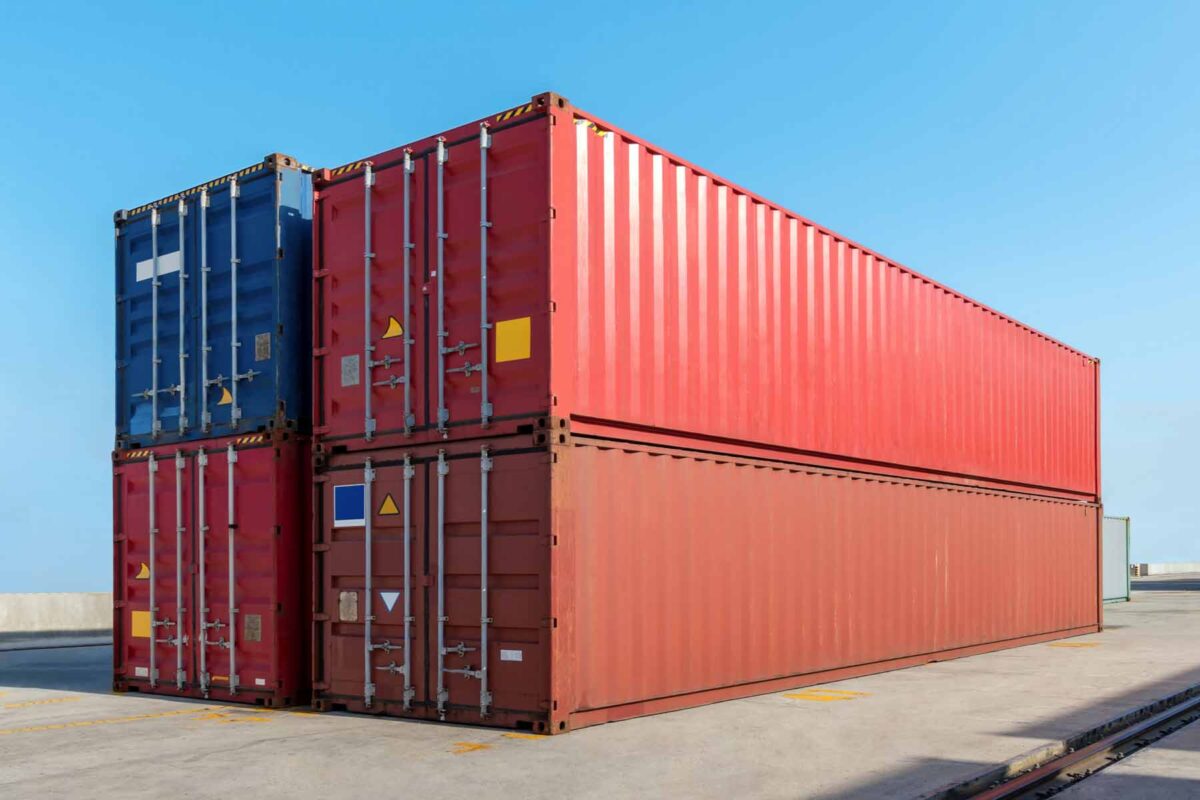
How Much Does a 40 Foot Shipping Container Weigh?
If you’re planning to buy, transport, deliver, or use a 40-foot shipping container, one important question is: how much does a 40 foot shipping container weigh?
A standard 40-foot shipping container typically has an empty weight of around 8,000 to 8,600 pounds (3,630 to 3,900 kg). However, the exact weight can vary depending on the container manufacturer, model, age, and whether you have a standard or high cube container.
When fully loaded, a 40-foot shipping container can weigh more than 60,000 pounds, making it essential to understand container weight before arranging transportation, site preparation, lifting, or delivery.
Below, we’ll explain the empty weight, maximum gross weight, payload capacity, and differences between standard and high cube 40-foot shipping containers.
How Much Does a 40 Foot Shipping Container Weigh Empty?
An empty 40-foot shipping container generally weighs approximately 8,000 to 8,600 pounds, or about 3,630 to 3,900 kilograms.
The empty weight of a shipping container is also known as its tare weight.
Here is a quick overview:
| 40 Foot Container Measurement | Approximate Weight |
|---|---|
| Empty / Tare Weight | 8,000–8,600 lbs |
| Empty Weight in Kilograms | 3,630–3,900 kg |
| Typical Maximum Gross Weight | Around 67,200 lbs |
| Typical Maximum Payload | Around 58,000–59,000 lbs |
These numbers are general estimates. Individual containers can have different specifications, so always check the information displayed on the container’s CSC plate when exact weight limits are important.
What Is the Tare Weight of a 40 Foot Shipping Container?
The tare weight is simply the weight of the empty container before cargo, equipment, or other materials are placed inside.
For a standard 40-foot shipping container, the tare weight is commonly around 8,000 to 8,600 pounds.
Knowing the tare weight is particularly important when planning:
- Container transportation
- Trucking and delivery
- Crane or forklift lifting
- Site preparation
- Cargo loading
- Container modifications
Even when completely empty, a 40-foot shipping container weighs several tons. It therefore requires appropriate equipment to move safely.
How Much Does a Loaded 40 Foot Shipping Container Weigh?
A fully loaded 40-foot shipping container can have a maximum gross weight of approximately 67,200 pounds (30,480 kg), depending on its specifications.
The gross weight includes both the container itself and everything loaded inside it.
For example, if an empty container weighs approximately 8,300 pounds and the cargo weighs 40,000 pounds, the total gross weight would be approximately:
8,300 lbs + 40,000 lbs = 48,300 lbs
This distinction matters because transportation equipment, roads, trailers, cranes, and other lifting systems can have their own weight restrictions.
The container’s structural maximum also doesn’t automatically mean that the same weight can legally be transported on every road or truck configuration.
How Much Weight Can a 40 Foot Shipping Container Hold?
A typical 40-foot shipping container may have a maximum payload capacity of approximately 58,000 to 59,000 pounds.
Payload refers to the maximum weight of cargo that can be placed inside the container.
However, the exact payload varies by container.
Before loading extremely heavy materials or equipment, check the manufacturer’s specifications and the container’s CSC safety approval plate.
40 Foot Shipping Container Weight: Standard vs. High Cube
One of the most common questions buyers have is whether a 40-foot high cube container weighs more than a standard 40-foot container.
Generally, yes.
A standard 40-foot container is approximately:
40′ long × 8′ wide × 8’6″ high
A 40-foot high cube container is approximately:
40′ long × 8′ wide × 9’6″ high
Because the high cube has additional steel and greater overall dimensions, its tare weight can be slightly higher.
Typical empty weights are approximately:
| Container Type | Approximate Empty Weight |
|---|---|
| 40 ft Standard Container | 8,000–8,600 lbs |
| 40 ft High Cube Container | 8,400–9,000 lbs |
Actual specifications vary by manufacturer and model.
How Much Does a 40 Foot High Cube Shipping Container Weigh?
A 40-foot high cube shipping container typically weighs approximately 8,400 to 9,000 pounds when empty.
That’s roughly 3,800 to 4,080 kilograms.
Despite weighing slightly more than a standard container, high cube containers are extremely popular because they provide approximately one additional foot of exterior height.
That extra height provides more interior volume without requiring a larger ground footprint.
High cube containers are commonly used for:
- Commercial storage
- Construction equipment
- Machinery
- Business inventory
- Agricultural equipment
- Palletized products
- Container modifications
- Oversized items
For buyers who need maximum storage capacity, a 40-foot high cube can be an excellent option.
What Does Maximum Gross Weight Mean?
When researching shipping container weight, you’ll often see the term maximum gross weight.
This means the maximum combined weight of:
Container + Cargo = Gross Weight
For example:
If a 40-foot container weighs 8,300 pounds empty and has 50,000 pounds of cargo inside, its gross weight is:
58,300 pounds
The maximum allowable gross weight is normally shown on the container’s identification or CSC plate.
Never assume that every 40-foot container has exactly the same maximum gross weight.
What Is a CSC Plate?
Most freight containers have a CSC plate, usually attached near the container doors.
CSC stands for Convention for Safe Containers.
The plate provides important identification and safety information about the container and may include details such as:
- Maximum gross weight
- Allowable stacking weight
- Container identification information
- Manufacturer information
- Safety approval information
When precise specifications are required, checking the actual container plate is more reliable than relying on general online averages.
Why Does the Weight of a 40 Foot Container Matter?
Understanding how much a 40 foot shipping container weighs is important for much more than shipping cargo.
Container weight can affect everything from transportation costs to where and how the container can be placed.
Transportation
A 40-foot shipping container cannot simply be transported using an ordinary pickup truck or small trailer.
Specialized trucks and trailers are typically required.
When a container is loaded, the combined weight of the truck, trailer, container, and cargo must also comply with applicable transportation regulations.
Delivery
Container weight affects which delivery equipment may be suitable for your property.
Depending on the supplier and site, containers may be delivered using equipment such as tilt-bed trailers or other specialized container transport systems.
Before delivery, the supplier should understand the site conditions and desired placement.
Site Preparation
A 40-foot container weighs several tons even when empty.
For this reason, it should generally be placed on a firm, level, stable surface.
Common placement surfaces can include:
- Compacted gravel
- Concrete
- Asphalt
- Concrete supports
- Other appropriately prepared foundations
Poor ground conditions can cause a container to settle unevenly, potentially affecting door operation and drainage.
Lifting
The container’s weight also determines what type of equipment is required when lifting or repositioning it.
Never attempt to lift a shipping container using equipment that isn’t rated for the required load.
A loaded container can weigh tens of thousands of pounds more than an empty one.
Can a Forklift Lift a 40 Foot Shipping Container?
Some heavy-duty container-handling forklifts and specialized equipment can lift shipping containers, but ordinary warehouse forklifts generally aren’t designed to move a 40-foot container safely.
An empty container alone can weigh more than 8,000 pounds.
When cargo is added, the weight can increase dramatically.
The equipment must have the appropriate capacity, attachment system, and configuration for the specific load.
For most buyers, container movement should be handled by an experienced container transportation or lifting company.
Can a Crane Lift a 40 Foot Shipping Container?
Yes, cranes are commonly used to lift shipping containers.
However, the crane must have sufficient lifting capacity for the container’s actual weight and must be configured appropriately for the lift.
An empty 40-foot container weighing approximately 8,000 pounds is very different from a heavily loaded container weighing 50,000 pounds or more.
The required lifting capacity can also depend on factors such as lift radius and site conditions.
Professional lifting contractors should determine the appropriate equipment.
Does a Shipping Container Weigh More After Modifications?
Yes.
Any material added to the container increases its overall weight.
Common modifications that can add weight include:
- Steel doors
- Windows
- Framing
- Insulation
- Interior walls
- Electrical equipment
- HVAC systems
- Shelving
- Flooring
- Plumbing
- Exterior cladding
Small modifications may only add a modest amount of weight, while extensive conversions can add thousands of pounds.
If a modified container needs to be transported later, its total weight should be considered before arranging transportation.
20 Foot vs. 40 Foot Shipping Container Weight
A 40-foot shipping container provides significantly more storage capacity than a 20-foot container, but it also weighs considerably more.
Here’s a simple comparison:
| Container Size | Approximate Empty Weight |
|---|---|
| 20 ft Standard | 4,800–5,200 lbs |
| 40 ft Standard | 8,000–8,600 lbs |
| 40 ft High Cube | 8,400–9,000 lbs |
A 40-foot container is approximately twice the length of a 20-foot container, but it doesn’t necessarily weigh exactly twice as much.
This is one reason 40-foot containers can provide excellent storage capacity relative to their empty weight.
How Much Space Does a 40 Foot Shipping Container Provide?
A standard 40-foot shipping container has exterior dimensions of approximately:
Length: 40 feet
Width: 8 feet
Height: 8 feet 6 inches
A high cube container is approximately one foot taller:
Length: 40 feet
Width: 8 feet
Height: 9 feet 6 inches
Actual interior dimensions are slightly smaller because of the container walls, doors, floor, and structural components.
For businesses requiring substantial storage space, 40-foot containers are popular because they offer a large amount of enclosed space within a relatively simple rectangular footprint.
How Should You Prepare a Site for a 40 Foot Shipping Container?
Before your container arrives, make sure the delivery site is suitable.
The area should generally be:
- Firm
- Level
- Accessible
- Well drained
- Free from overhead obstructions
- Large enough for the delivery vehicle to maneuver
Consider overhead power lines, tree branches, gates, fences, buildings, slopes, and soft ground.
Remember that the delivery truck and container together are considerably heavier and longer than the container by itself.
Your container supplier can explain the specific clearance requirements for the delivery equipment being used.
Frequently Asked Questions About 40 Foot Shipping Container Weight
How much does a 40 foot shipping container weigh empty?
A standard 40-foot shipping container typically weighs approximately 8,000 to 8,600 pounds (3,630 to 3,900 kg) empty. Exact tare weight varies between containers.
How many tons does a 40 foot shipping container weigh?
An empty standard 40-foot shipping container generally weighs approximately 4 to 4.3 U.S. tons.
How much does a 40 ft high cube container weigh?
A 40-foot high cube container commonly weighs approximately 8,400 to 9,000 pounds empty, although exact specifications vary.
How much can a 40 foot shipping container hold?
Many 40-foot containers have payload capacities in the range of approximately 58,000 to 59,000 pounds, but buyers should always check the specifications of the individual container.
What is the maximum weight of a 40-foot shipping container?
A commonly encountered maximum gross weight is approximately 67,200 pounds (30,480 kg). The exact maximum should be verified on the specific container.
Does container weight include the cargo?
It depends on the terminology. Tare weight refers to the empty container. Payload refers to the cargo weight. Gross weight refers to the combined weight of the container and cargo.
Can I move a 40-foot shipping container myself?
Moving a 40-foot shipping container normally requires specialized transportation and lifting equipment. Because an empty unit alone weighs several tons, professional container delivery is generally the practical approach. Shipping Containers For Sale Columbus Ohio
Looking for a 40 Foot Shipping Container?
Understanding how much a 40 foot shipping container weighs is an important part of choosing the right container and planning for transportation, delivery, and placement.
A standard 40-foot shipping container typically weighs approximately 8,000 to 8,600 pounds empty, while a 40-foot high cube may weigh around 8,400 to 9,000 pounds.
Exact specifications vary, so the actual container identification and CSC plate should always be checked when precise weight limits matter. Shipping container for sale California
If you’re considering purchasing a 40-foot shipping container for storage, business inventory, construction equipment, agricultural use, or another project, make sure you consider more than container size alone.
Condition, delivery requirements, site access, container type, and total cost all matter.
Ready to buy a 40-foot shipping container? Contact us today to check current availability, container options, and delivery pricing in your area.
